

Press release: Restoration reveals layered Van Gogh masterpiece at Depot of Museum Boijmans Van Beuningen
Museum Boijmans Van Beuningen presents the results of years of research and conservation work on Poplars near Nuenen
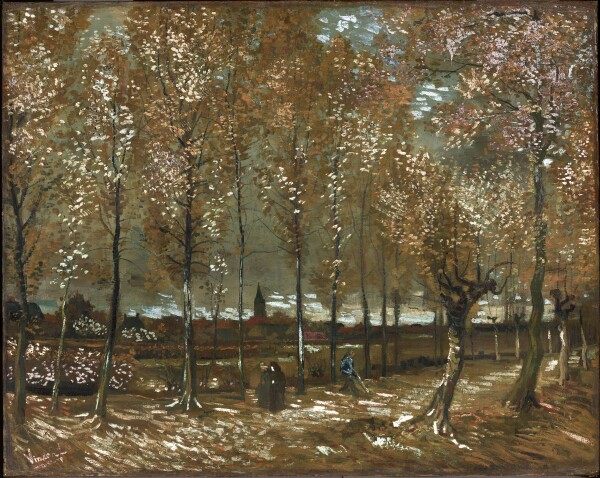
What happens when a painting does not reveal its secrets for more than a century? From 7 February 2026 Museum Boijmans Van Beuningen will present Research on the Rails – Van Gogh’s Poplars at the Depot. The presentation will allow visitors to look at and under the paint surface of Poplars near Nuenen, which was painted in 1885. Years of technical analysis have now shown that Van Gogh’s masterpiece consists of three phases. Beneath the poplars we see today, painted in 1885, there is another image from 1884, also painted in Nuenen. In 1886, while living in Paris, Van Gogh added several highlights to the painting in brighter colours, creating a third version. During the conservation work, discoloured layers of varnish were removed and damage repaired. The autumn landscape has now been brought to life, with sun breaking through the clouds and colours that ‘glow’.
Sandra Kisters, director of collections & research: ‘The additions made in Paris in 1886 have turned out to be much more consequential than previously thought. Van Gogh applied lighter retouches, with looser brushstrokes. He also introduced colours that he rarely, if ever, used in Nuenen and Antwerp, making the landscape and the sky more dynamic.’
Years of research and restoration
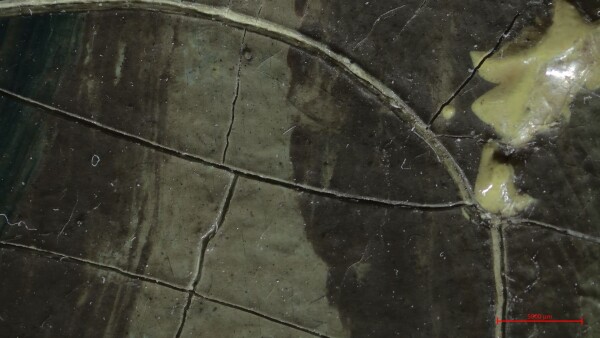
Poplars near Nuenen was in a fragile state. Hardly surprising, given the several layers of paint, the many instances of transportation and previous intensive rounds of restoration. The paint was cracked and lifting in places, and after almost a century the old varnish was also cracked, and discoloured. Removing the layer of varnish proved to be the biggest challenge. Given the adhesion problems and the possibility that there was an extra layer of varnish between the first and second layer, there was a risk that the paint would loosen during the process. The varnish could not be safely removed until it was established that Van Gogh had applied an egg white ‘intermediate’ layer of varnish over the first painting. In contrast to ‘ordinary’ varnish, this would not be affected during treatment.
Brighter colours
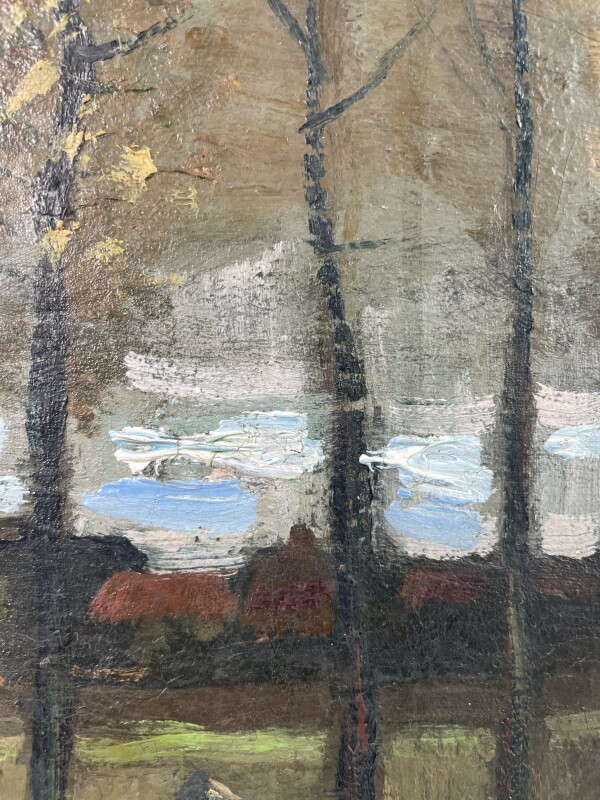
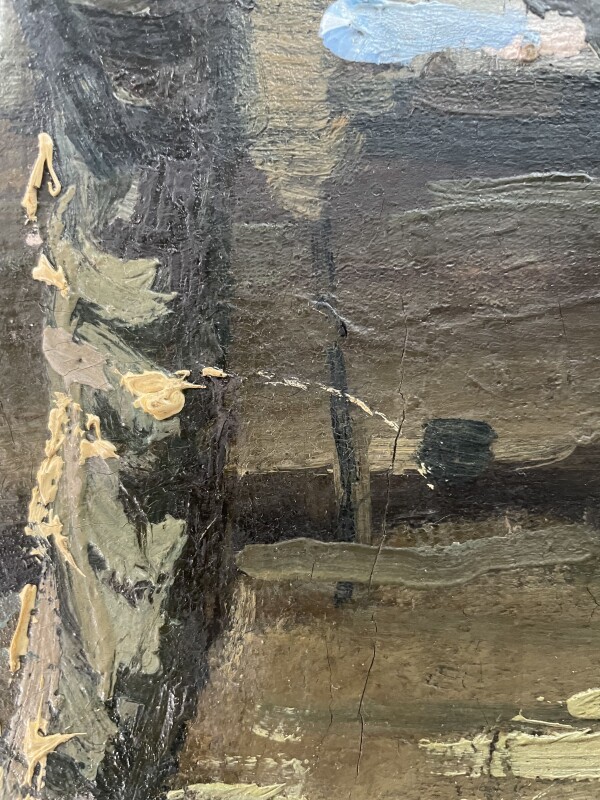
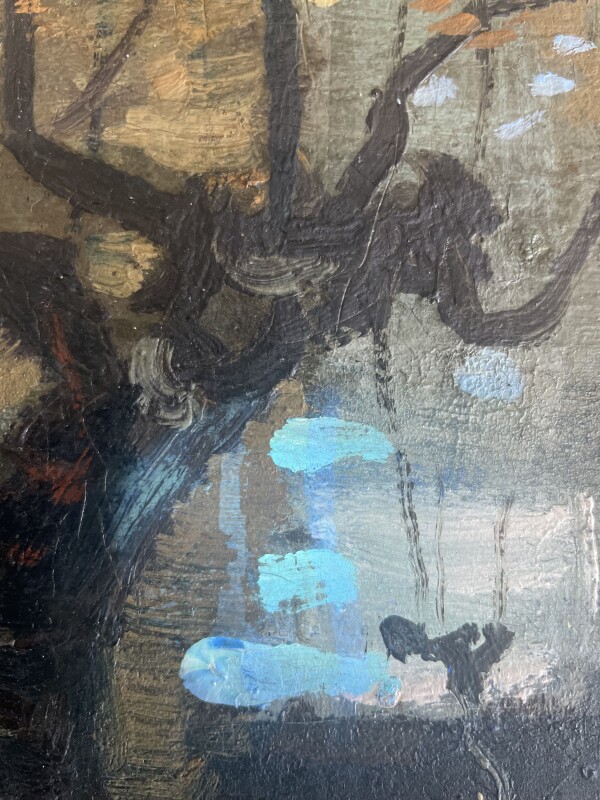
Research showed that Van Gogh painted the current picture over a painting of two churches in Nuenen. Later, in Paris, he retouched the image in many places, using more colourful modern paints, including cobalt and cerulean blue (sky blue), organic red, and viridian green. These additions have now been accurately identified for the first time. Van Gogh added brighter touches to the trees and painted more leaves, using crisp yellow and dark red. On the trunks, he applied vivid green accents. These changes introduced sunlight to the foreground. The dark clouds in the sky above the village are parting, thanks to the addition of blue.
Mysterious drips
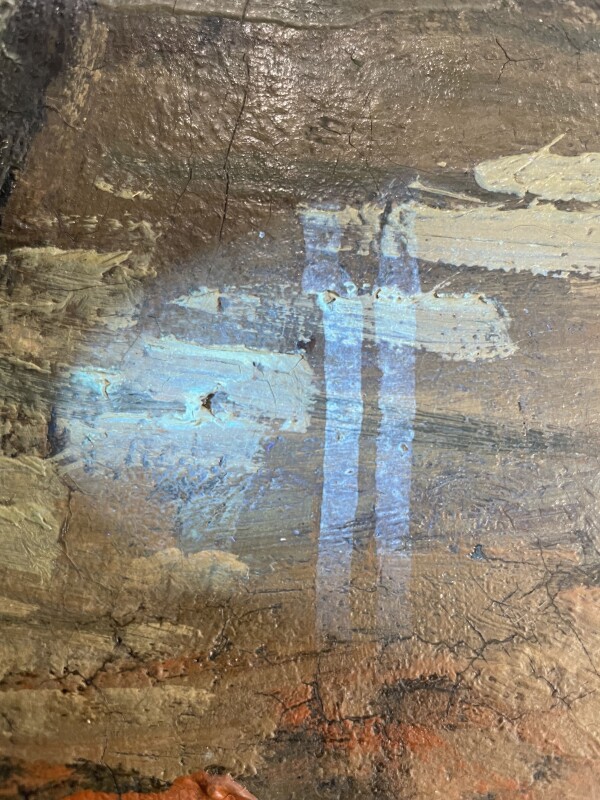
During the conservation work, conservator Erika Smeenk-Metz discovered traces of long drips on the surface of the paint - thin layers of what is believed to be linseed oil over the entire painting. It is unclear how they came about, although it is certain that they were not caused by Van Gogh himself. The drips could not be removed without damaging the original paint, so they have been subtly retouched to make them less conspicuous. To reduce the need for major interventions in the future, it was decided that no new layer of varnish should be applied.
Closer than ever
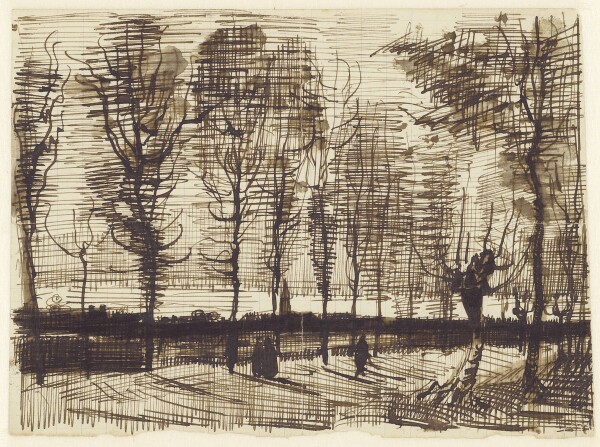
Following the research and the conservation work, the painting now corresponds more closely than ever with Van Gogh’s original intentions. Visitors will be taken through the entire process, from initial discoveries to dilemmas and choices made during the conservation work. Besides the masterpiece itself, the presentation will also include works on loan from the Van Gogh Museum and Centraal Museum, as well as pieces from the museum’s own collection by artists who inspired Van Gogh to paint his ‘avenue’.
Partners
The project was sponsored by the TEFAF Museum Restoration Fund and implemented in collaboration with colleagues from Dutch museums with important Van Gogh collections: the Van Gogh Museum Amsterdam and the Kröller-Müller Museum, as well as Rijksmuseum Amsterdam, the Cultural Heritage Agency’s Dutch Cultural Heritage Laboratory, the University of Amsterdam and independent conservators Erika Smeenk-Metz and Eneida Parreira.
Research on the Rails – Van Gogh’s Poplars
7 February 2026 to 7 February 2027
Museum Boijmans Van Beuningen Depot
Symphony in Yellow
Poplars near Nuenen is one of the key works from Van Gogh’s Dutch period. The painting came into the museum’s possession in 1903, becoming the first work by the famous painter in a public collection in the Netherlands. It depicts three figures on a leaf-strewn country lane, under what was at first a gloomy autumn sky. As a result of Van Gogh’s later changes, the clouds now break open to allow the sun to shine on the Brabant village of Nuenen. He painted this piece without any preliminary studies, executing it in situ, keen to express his own feelings rather than depicting the natural world itself as a subject. The history of the painting, with its many changes, underlines how important the poplars were to him.
Boijmans Study
The research results have been published in a lavishly illustrated Boijmans Study, the museum’s academic publications series. The title, Symphony in Yellow, refers to Vincent van Gogh’s poetic description of the painting in a letter. The publication was sponsored by Stichting Pieter Haverkorn van Rijsewijk.
Film
The entire process of research and conservation was filmed by Gerrit Schreurs. The film can be viewed in the screening room next to the presentation.